
 Image 1 of 5
 Image 2 of 5
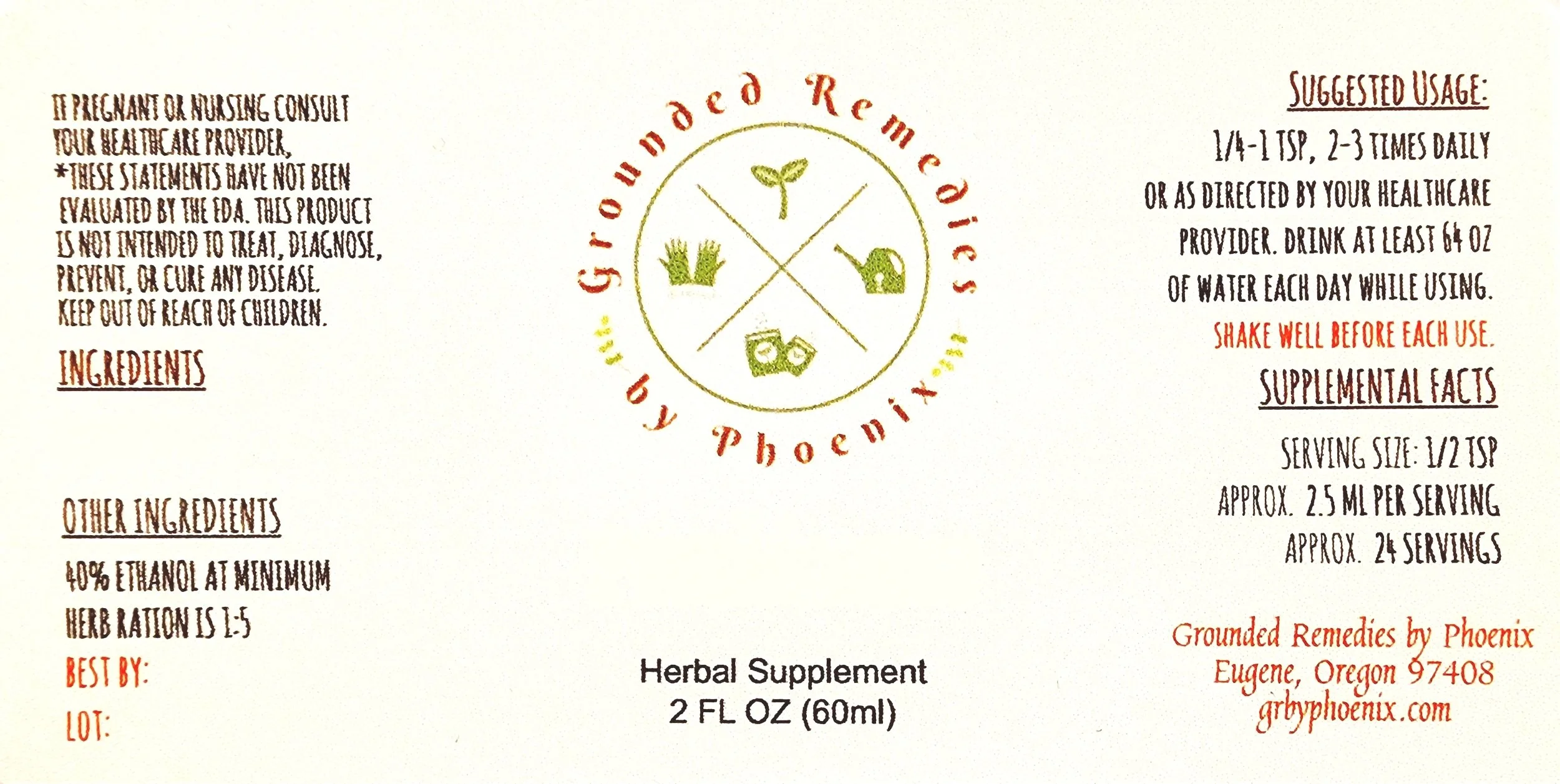 Image 3 of 5
 Image 4 of 5
 Image 5 of 5
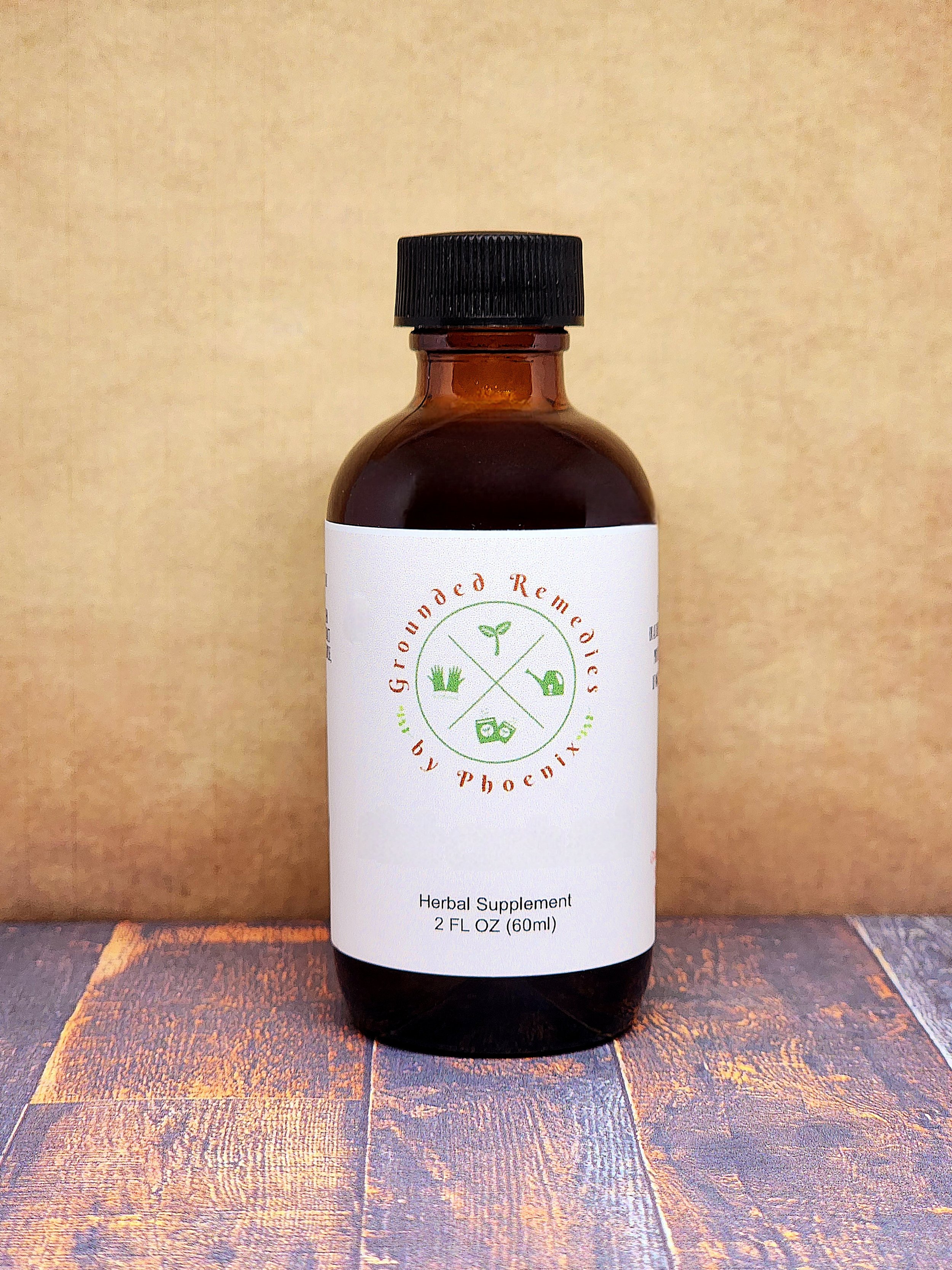
spasm & tension formula
Cramp Bark (Viburnum opulus)
Primary role: Smooth muscle relaxant and antispasmodic
How it supports spasms and tension:
Traditionally used to relax involuntary muscle contractions, especially in smooth muscle tissue.
Helps reduce cramping by easing excessive muscular tightening rather than sedating the nervous system.
Often used for uterine, intestinal, and skeletal muscle spasms.
Supports circulation to tense areas, which may help relieve discomfort associated with prolonged contraction.
Key takeaway: Cramp bark addresses the physical root of spasms by relaxing over-contracted muscles.
Black Cohosh (Actaea racemosa, syn. Cimicifuga racemosa)
Primary role: Nervine and muscle relaxant with antispasmodic properties
How it supports spasms and tension:
Traditionally used for muscle tension associated with nervous system irritation.
Helps calm reflexive muscle tightening linked to stress or hormonal shifts.
Supports relaxation of skeletal muscles, particularly when tension is chronic or recurrent.
Often used when muscle pain and spasms are accompanied by restlessness or irritability.
Key takeaway: Black cohosh works at the intersection of muscle and nervous system tension.
Blue Vervain (Verbena hastata)
Primary role: Nervine relaxant and mild antispasmodic
How it supports spasms and tension:
Known for easing muscle tension rooted in stress, anxiety, or nervous overstimulation.
Helps release tightness in the neck, shoulders, and jaw.
Traditionally used when emotional or mental strain contributes to physical tension.
Supports overall nervous system balance, allowing muscles to relax naturally.
Key takeaway: Blue vervain is especially helpful when tension is stress-related.
Lobelia (Lobelia inflata)
Primary role: Powerful antispasmodic and muscle relaxant
How it supports spasms and tension:
Acts as a fast-acting relaxant for both skeletal and smooth muscle spasms.
Helps interrupt spasm patterns by calming overactive neuromuscular signaling.
Traditionally used in very small amounts to release acute muscular tension.
Supports easier breathing when chest or diaphragm tension is present.
Key takeaway: Lobelia is a catalyst herb that helps quickly release stubborn spasms.
Skullcap (Scutellaria lateriflora)
Primary role: Nervine tonic and muscle relaxant
How it supports spasms and tension:
Calms an overactive nervous system that can contribute to muscle tightness.
Helps reduce involuntary muscle twitching and tension caused by mental overstimulation.
Supports relaxation without heavy sedation.
Traditionally used for tension headaches, muscle tightness, and nervous exhaustion.
Key takeaway: Skullcap supports deep relaxation by calming the nervous system behind the tension.
Formula Synergy
Together, these herbs address spasms and tension from multiple angles:
Direct muscle relaxation (Cramp Bark, Lobelia)
Nervous system calming (Skullcap, Blue Vervain)
Neuromuscular balance (Black Cohosh)
This layered approach supports both the physical muscles and the nervous system signals that contribute to chronic tension and spasms.
*These statements have not been verified by the FDA and is not to be used as medical advice in any way. Consult your doctor before ingesting any herbal product. Do not take herbs or tinctures during pregnancy without consulting your healthcare provider. This product is not intended to diagnose or treat any disease. By purchasing, buyer agrees that they are 18 years or older and are sufficiently educated to use this product in a safe and responsible manner. Buyer agrees to release from liability and hold Grounded Remedies by Phoenix LLC forever harmless in the event of personal injury or harm to self or others, health consequences, accidents, or any other negative consequences resulting from the purchase or ingestion of this product.